Platform

Built on numbers that have already been checked.

Everything below reads from the same reconciled base: sales collected from your EPOS estate, normalised into one model, and verified against what each till reported at close.

The nightly cycle

  1. STAGE 1

    Collect

    Sales are pulled from the EPOS system on a schedule, site by site, at a pace the vendor’s API is comfortable with. Interrupted nights are picked up automatically.

  2. STAGE 2

    Normalise

    Every transaction becomes one consistent model — products, departments, tenders, discounts, channels — with the original payload kept in full.

  3. STAGE 3

    Reconcile

    Each site and trading day is checked against the till’s own end-of-day totals. Anything that disagrees is raised as an exception, not averaged away.

  4. STAGE 4

    Deliver

    Verified data reaches the reporting suite and, where you need it, a database you own for finance and stock systems to read.

Capabilities

Estate reporting

Trading performance across every site, in one place.

  • Daily sales and site league tables, with change against the previous period
  • Product, department and PLU-group analysis
  • Payment and order-channel mix
  • Drill from any figure down to the individual transaction
  • Export anything to Excel or PDF

Cash and loss prevention

The questions a till system will not answer on its own.

  • Cash declared over and short, by site and over time
  • Sites with a pattern of discrepancies, not just one bad night
  • Refunds, voids and manual drawer opens
  • Discount usage by till key — promotional and staff

Margin and suppliers

Cost-aware analysis the EPOS cannot produce alone.

  • Supplier sales summaries with cost and margin, net of VAT
  • Your own product codes alongside the EPOS PLU
  • Supplier lists and product mapping imported from your files
  • Best and poorest margin lines by department, group or supplier

Ask epostle

Questions in plain language, answered from your own data.

  • “Which sites were short on cash this week?”
  • “How did that range perform against last month?”
  • Read-only, and only within the asker’s own permissions
  • Every answer links back to the underlying records

Ledger delivery

Reconciled sales delivered to the systems that need them.

  • Line-level ledger rows written to a database you own
  • Column names and mapping configured to your schema
  • Re-imported transactions are replaced, never duplicated
  • Further targets added as adapters

Operational confidence

You will know when something has not arrived.

  • Every import and reconciliation run logged and visible
  • A site reporting takings with no imported sales raises an alert
  • Missed days re-collected automatically
  • Full audit trail, with the original EPOS payloads retained

Works with your EPOS

epostle talks to each EPOS system through its own adapter, so the quirks of a vendor’s data stay in one place instead of spreading through your reports. ICRTouch and TouchOffice are supported today; further systems are added as adapters without disturbing anything already running.

Ask about your system
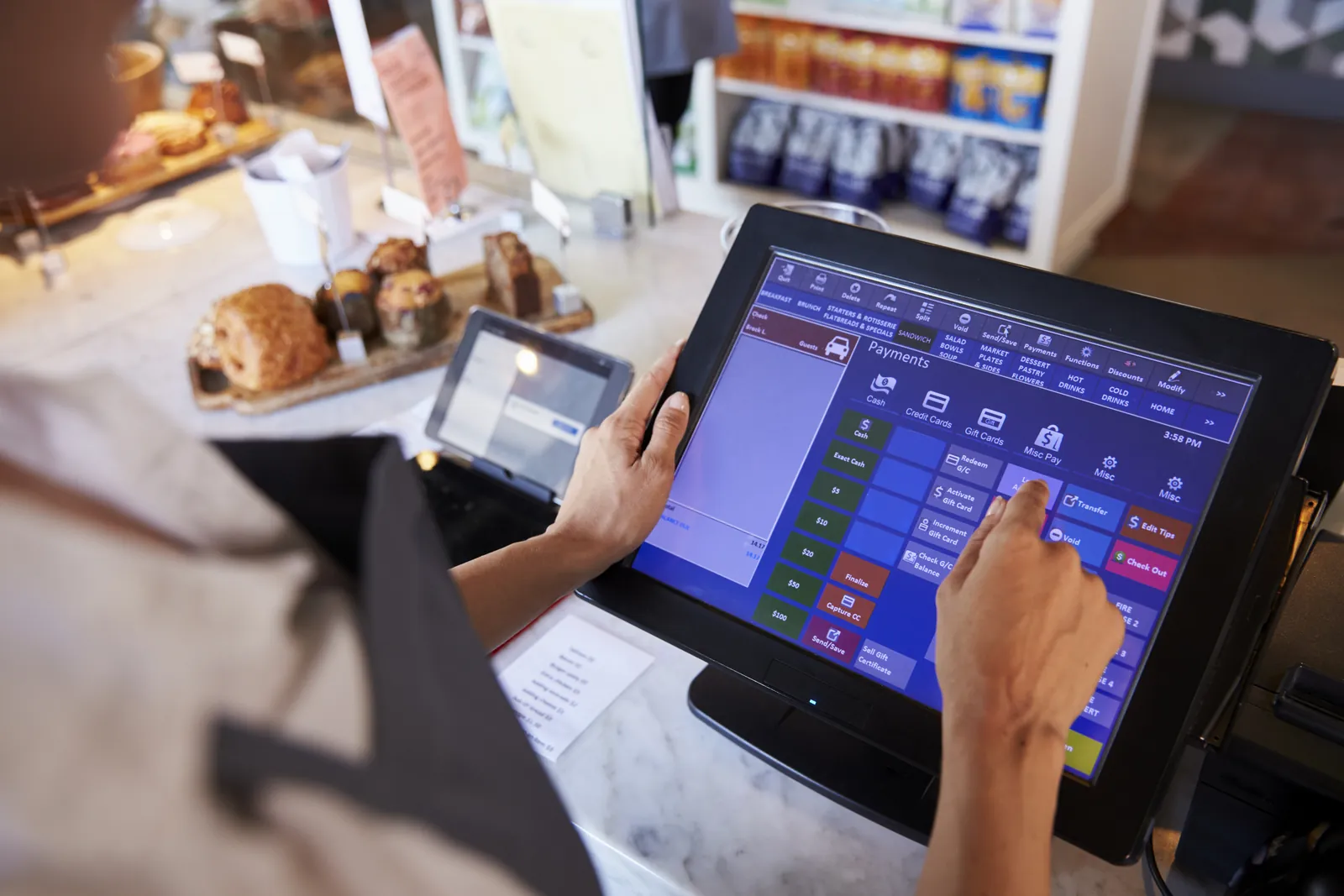
A member of staff taking a payment on an EPOS touchscreen in a cafe.